

ON THE BLOG
CATEGORIES
↓
FEATURED POSTS

help for the holidays
The Holidays Can Be Hard - when little things feel big
In the grey and grinding months after our daughter, Mercy Joan, died, my mother gave me a set of seven ceramic birds. “A reminder that you will always be a family of seven.” I displayed them on our mantle…poignant, a little cheesy, and unfortunately vulnerable to the daily antics of Magnus.
Empathy In The News
Empathy for Trying Times: A Midyear Report

how to care
How an Anonymous GI Saved my German Grandmother - An Empathy Story
how to care
What my dying dog taught me
how to care
Self Loathing Sally and Avoidant Andy
Recent Posts
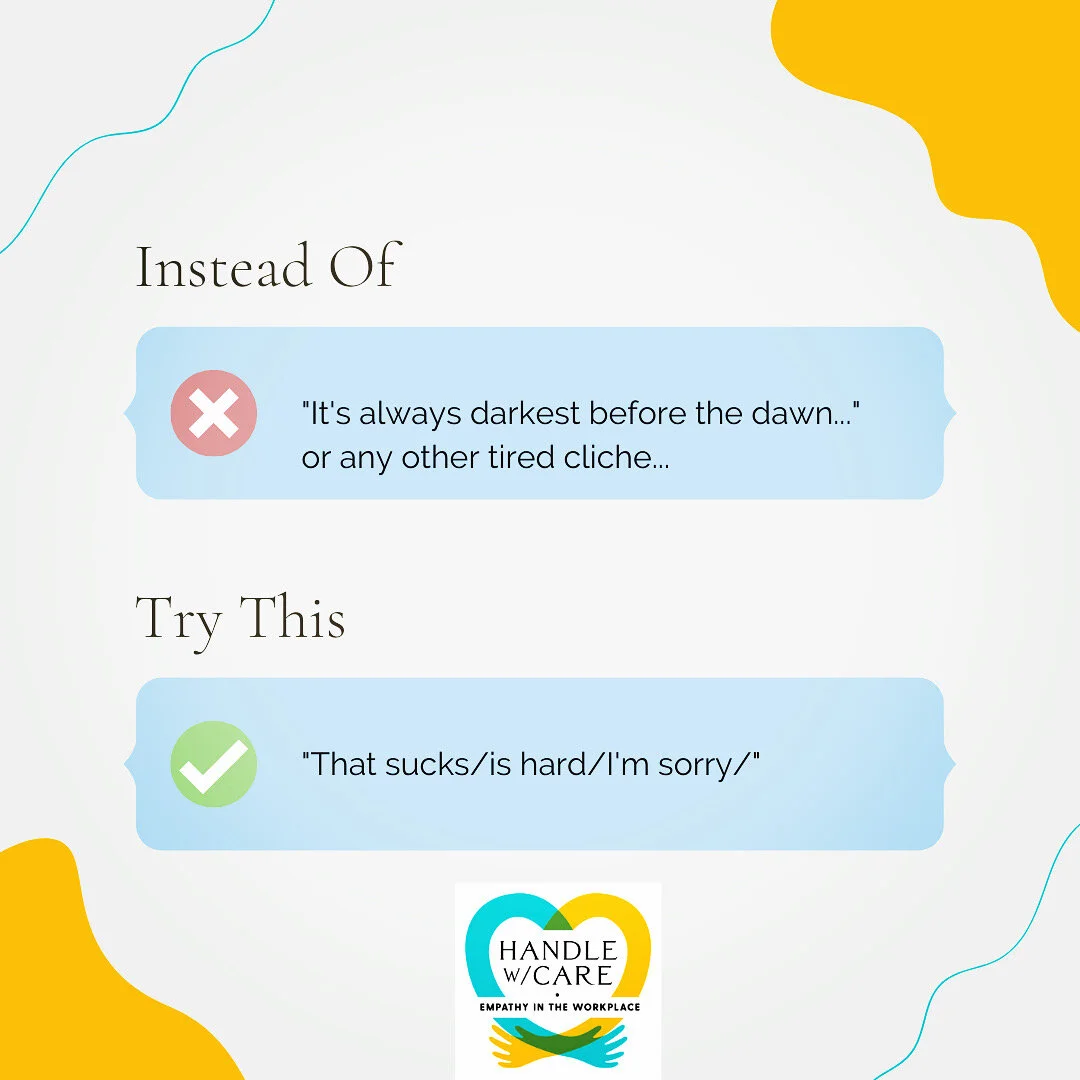
Let's be done with clichés
Cliché. Definition: a phrase or opinion that is overused and displays a lack of original thought. Also, a common (and crappy) way to verbally process someone else’s pain. I call this the Cheer-Up Cheryl response pattern, wanting to make it “better” for someone else. Here are a few of the thoughtless, devoid-of-original-thought verbal garbage that we go to…

Apologize
When you mishandle someone who is hurting, and you will (none of us is perfect). Apologize. Try out this phrasing: “I’m sorry. I didn’t show up/respond/care for you the way that I would have wanted to. I was careless/too busy/didn’t know what to say. I am going to do better moving forwards.”

The Brutalizing Divide
“Work is for work; keep home at home”. False. This brutalizing perspective cleaves people in two: dividing the work self from the messy, rest-of-life self. If your culture does not make space for weakness, if you penalize emotion as being too feminine or too distracting, you aren’t avoiding the “problem” of emotions.
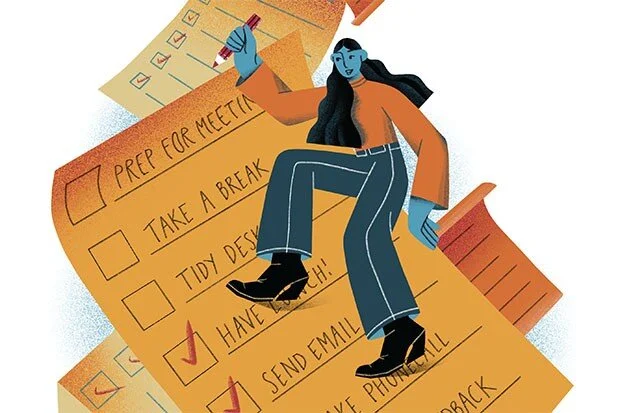

Be a Mindful Manager
Empathy shows up in your calendar. Because our calendars manifest what is important to us. And as much as I want to be a person that supports those around me, the needs are too big and I often get caught up in the moment. That is why I plan for empathy in my calendar.

Take a Day Off
I took yesterday off. It was the ten-year anniversary of my daughter Mercy’s death. And I knew that I wouldn’t be present for a meeting or a training or a sales call. A decade of growth has taught me to make space for my grief. Make space in my body. Make space in my schedule. What I resist, persists.

Imagination and Curiosity
Imagination and curiosity are key to cultivating empathy...Magnus, my fifth grader, was in tears. He just returned to school after a COVID quarantine. On his way to Chess Club, another boy mocked him. “Disgusting! I don’t want to play with you. You’re the COVID kid!”

Empathy Reflections, 4 Years Later
Four years ago today, Moses (my youngest son) underwent open-heart surgery.
Our community rose up around us with mighty care during those winter weeks. My heart is full as I remember the many friends and coworkers who
Delivered meals
Watched our other children
Waited with us in the hospital lounge
Brought coffee and cookies and brisket
Took photos
Ran errands
Prayed for/with us
Sent texts
Just listened
Cried with me
The echoes of their support go with me in every session I teach and each word that I write on the importance and impact of empathy.
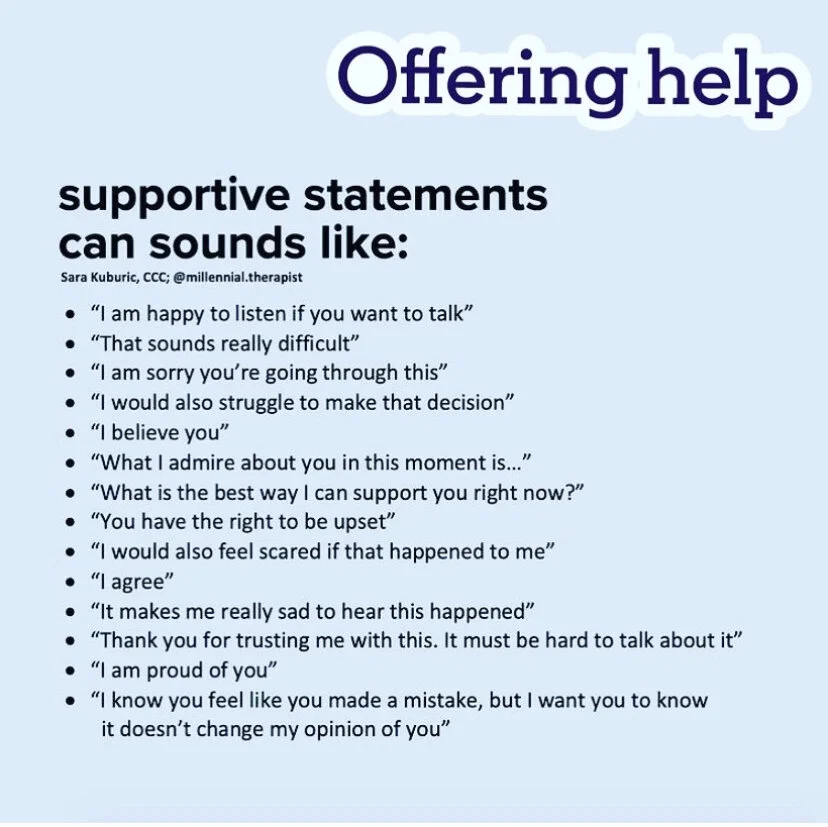
Supportive Statements Sound Like...
Helpful tips for what to say to someone going through hard times.
And a few statements to avoid...
1) “At least...” (Cheer-Up Cheryl)
2) Cliches
3) “You should...” (Fix-It Frank)
4) Interjecting your own story (Commiserating Candace)

The ROI on Empathy
"What is the ROI on empathy? I mean, it seems nice, but how does it affect my bottom line?" I hear this question in scoping meetings; should the company invest in empathy trainings? Does it really matter? The answer is yes! Check out the hard data points vis-a-vis empathy and healthcare in this engaging Freakonomics podcast.

These Phrases Kill Connection
Stop using these phrases; they kill connection...
“Everything happens for a reason”
“They are better off now”
“It is always darkest before the dawn”
“Time heals all wounds”
“There are a lot of fish in the sea”
“Things could be worse”
Remember, this holiday season, you don’t need to make it better. Instead, try something like this…
“Ugh. That sounds like it was tough.”
“I don’t know what to say, but I want to let you know that I care and I’m sorry”
“Wow, tell me more about _____”

Celebrate the Adequate
Leaders, let's celebrate the adequate. During the darkest seasons of my life, I felt like I was "not enough" in just about everything. I was just so weighed down with grief and stress: not the parent, not the partner, not the professional that I wanted to be. It meant so much when someone cheered on my small wins.
Check out the Handle w/ Care podcast
LISTEN TO THE PODCAST
Guests share about living (and leading) through the hard times. You get a behind the scenes look at the good, the bad, and the ugly. Each episode ends with actionable tips to make you a better manager, coworker, or friend.


featured episodes

S1, EP36
How can I honor her? Jason Seiden on life and meaning after his daughter’s suicide
S1, EP8
Divorce, depression, and alcohol: an interview with David Mills
S1, EP5
My husband had a brain injury: the challenge of long-term disability. An interview with Bess Malek-Maiorano
S1, EP1
My Wife Had Cancer: An Interview With Brad Grammar
S1, EP33
My partner is dead: drunk driving and sudden death. An interview with Barry Hoyer
S2, EP2
We Are Humans First: Empathy and International Teams - an interview with Jorge Vargas
Take the Quiz
Which Empathy Avatar Are You?
Every leader has one. Each comes with superpowers (and pitfalls). Meet yours today. Estimated time ~ 5 minutes.

Free Guide:
How to Help During Hard Times
Life is hard and complex, but caring for your people doesn’t have to be. This free guide offers a clear, easy-to-implement checklist for how to care for your team during disruptive life events.
From the first day, week, and month after disruption, this guide helps you show up with consistent meaningful words and actions while maintaining business priorities. Enter your info below and we’ll send you your free guide and put empathy to work.